
How to Move a Fridge Without Breaking It
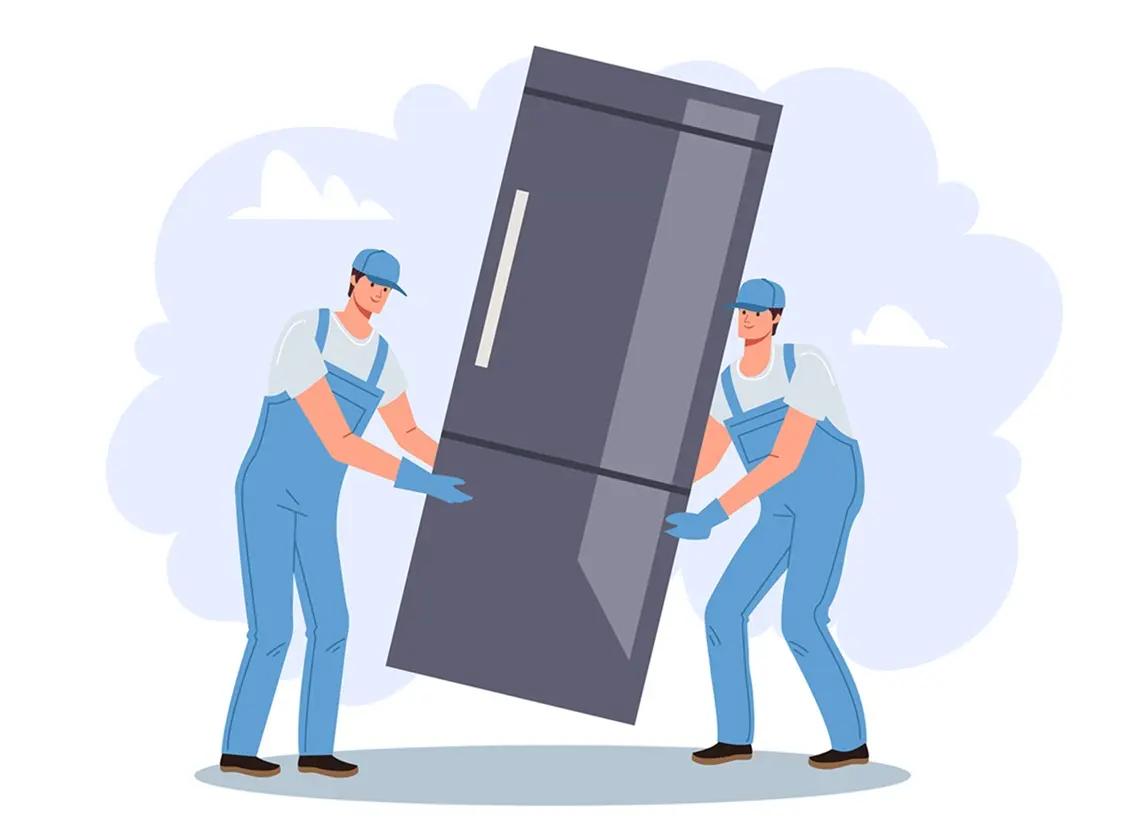
You can move a refrigerator on your own, but it takes the right approach. At VanUmove, UK, we’re going to share how you can move your appliance without scratching the floor or causing damage to the unit itself.
But before we do that.
Let’s explain why moving a refrigerator is a lot more complex than it looks.
Moving a Fridge Is More Complicated Than It Looks
It’s not that you don’t know “how to move a fridge.” Instead, most people underestimate the weight of their appliance. You’re moving an item that is big and bulky, and it might weigh as much as 114kg.
At the very least, you’ll need to:
- Defrost the unit
- Use an appliance dolly
- Double-check your measurements to avoid difficulty maneuvering the fridge through doorways.
And it sounds easy to do. You can hire man and van providers to help, but you’re adamant on doing it yourself.
A few tools will help make this process as simple as possible.
What You’ll Need Before You Start
Before you start breaking your back and doing the heavy lifting of a large fridge with a freezer, go through the list below. These tools will make all the difference and are good to have for furniture removals, too.
| Item | Purpose |
|---|---|
| Appliance Dolly | Features a heavy-duty frame and a security strap. Some models have "stair-climber" rails to navigate steps without lifting the full weight. |
| Ratchet Straps | Used to secure the fridge to the dolly. Straps keep the refrigerator doors from swinging open during transit. |
| Furniture Blankets | Provides a thick buffer to prevent the exterior (especially stainless steel) from getting scratched or dented by door frames and straps. |
| Floor Sliders / Masonite | Placed under the feet of the fridge to glide it across hardwood or tile. Sliders make moving possible without gouging or scratching the finish. |
| Painter’s Tape | Secures the power cord to the back of the unit. Tape also holds internal components (if not removed) without leaving sticky residue. |
| Measuring Tape | Crucial for "pre-flight" checks. Measure entryways to verify that the unit will clear every doorway and tight corner on the path to the truck. |
| Screwdriver / Hex Set | Necessary for removing the refrigerator doors or house doors if the clearance is too narrow. |
| Work Gloves | Improves your grip on the metal casing and protects your hands from sharp edges often found on the underside or back of the unit. |
While this list may seem like “overkill” to you, it’s a good starting point for every removal. You can use many of these items for couches, chairs, tables, desks - anything you can imagine.
Preparing Your Fridge the Day Before the Move
Prepping for moving the refrigerator at least 24 hours in advance is one of the most critical steps you can take. A dry, light fridge is going to be a lot easier to transport than one that is loaded.
Here’s what you need to do:
Empty the Unit
Keeping items in your fridge only adds to its weight. Reduce the burden and prevent spills by emptying out your groceries. Give them away to a friend or put them in another unit while moving it. You’ll reduce its overall weight and prevent spills.
Deep Clean the Fridge
Grab your baking soda and some water. Mix the two together. Wipe down the interior of the refrigerator. When you’re sure the inside is clean and odor-free, then dry it off completely.
Defrost and Clear the Lines
At least 24 hours before the big day, unplug the unit and let it defrost. You want the coils to defrost entirely. For those with automatic icemakers or that dispense water, don’t forget to:
- Disconnect the water line
- Drain the reservoirs
Secure the Internal Components
Remove all of the trays and shelving inside the fridge. Your goal? Prevent them from falling out during transport. For those of you who are brave and plan to leave these components inside when moving it, secure the items with non-residue painter’s tape.
Glass items call for bubble wrap.
Protect Your Coils and Cords
Vacuum your condenser coils while you have time. Also, take a moment to coil your power cord neatly and affix it to the back of the fridge with some tape. Your goal is to prevent any potential falls when transporting the unit.
You have the basics down already on how to move a fridge freezer, but you’re not a professional home removals service. A step-by-step guide will do wonders to clarify what you must do next.
Step-by-Step: How to Move a Fridge Safely
You might try and brute-force your refrigerator, but there’s another issue: center of gravity. If you move the unit the wrong way, it may topple over and fall. Avoid these catastrophes by doing this:
Step 1 – Secure and Protect the Appliance
Wrap your refrigerator in blankets to prevent damage if it does topple over. Pay close attention to the corners of your fridge as these are the most vulnerable. Ratchet straps work wonders for keeping blankets in place.
And, as an added bonus, if you do bump into the wall or a corner, the blanket will absorb some of the impact.
Step 2 – Position It on a Dolly
Position the unit so that the dolly can roll underneath its side. Cinch the fridge to the frame of the dolly so that when the two move, it’s as if they were one unit.
Step 3 – Move It Through Your Home
Tilt the dolly back to no more than a 45-degree angle and start wheeling it across the home. A spotter is an option to help for those times when you’re in tight corners or need to sneak through doorways.
Step 4 – Load It Into a Van
Set up your loading ramp for this job. Do not try to lift the unit into the van or truck. Instead, use the dolly to traverse the ramp and properly load the unit. Once inside, be sure to secure it using straps or tie-down points.
Not able to manage on your own? Consider working with a London man with van.
Can You Lay a Fridge Down When Moving It?
No. Avoid laying the unit down. Otherwise, you may experience issues with your:
- Compressor
- Cooling lines
- Blockages

Common Mistakes That Can Ruin Your Fridge
You’ve learned a lot. You can move a fridge without damage. But small mistakes can derail an otherwise perfect experience. Some of the issues you’ll want to avoid are:
Using Door Handles for Leverage
If you need to grab onto the fridge to move it, don’t pull on the door handles. Often, the handles will break because they’re made with thin metal or plastic.
Failing to Secure the Cooling Lines
Inspect the back of your fridge. Notice the cooling lines? These are delicate components known to develop leaks. Avoid bumping them against doorways.
Failing to Drain the Water Filter and Lines
Residual liquids hide away in filters and water lines. Drain these components to prevent leaks.
Using the Wrong Tape
Painter’s tape or stretch wrap is your best option to secure cords and doors in place. Duct tape will do the job, but it leaves residue behind.
After the Move – When Can You Plug It Back In?
Refrigerators are meant to be in an upright position. Moving your unit, even a small distance, causes the compressor oil and refrigerant to move around.
If you tilt the unit, wait 6 to 8 hours before plugging in.
Did you lay the unit on its side? Wait 24 hours.
If none of the above applies to you, wait 4 hours before plugging it back in.
You already know how to move a fridge freezer combo. But is it worth it? Let’s find out.
When It’s Not Worth Doing It Yourself
Any time you move a fridge by yourself, you risk hurting yourself or damaging the unit.
Why not work with a professional even if you know how to move a fridge upstairs?
Compare a local man and van to move your heavy items for you.
How Much Does It Cost to Move a Fridge in the UK?
The cost to move a fridge varies quite a bit depending on a few factors:
- How far it’s going
- The size of the unit
- Whether the job involves tricky access
But here’s the good news: a man with a van generally costs less than a full removal company. And with VanUmove, you have the flexibility to book a same day move for your appliance.
Quick Checklist Before You Move Your Fridge
| Task | Details | Done? |
|---|---|---|
| Empty the fridge | Remove all food and shelves | |
| Switch it off | At least 24 hours before the move | |
| Defrost fully | Allow ice to melt and dry out | |
| Clean the interior | Wipe it down to prevent mould | |
| Remove loose parts | Shelves. Drawers. Ice trays. Take them all out and pack them separately. | |
| Secure the door | Use a tape or a strap | |
| Measure doors and halls | Make sure the fridge fits before the move | |
| Protect floors | Use sliders or lay down towels/cardboard first | |
| Arrange help | Book a man with a van | |
| Check your van size | Verify there’s space to keep the fridge upright |
FAQs
How long to leave a fridge after moving?
Wait two to four hours after you move a fridge to switch it back on. Some manufacturers recommend 24 hours to be completely safe.
Can you move a fridge freezer without defrosting?
Technically yes. But it’s not recommended. You should defrost it first before you pack a fridge for moving.
Can you lay a fridge freezer down to move it?
No. You must transport a fridge upright or you risk damage to the compressor.
How to move a fridge without scratching the floor?
Try these proven methods:
- Furniture sliders. Pop them under each corner of the fridge to glide it without a fight.
- Old towels or cardboard. Slide them under the front feet and carefully drag it.
- An appliance sack truck. They’re ideal for moving a fridge safely and without damage. Just tilt it onto the truck and wheel it where it needs to go.
Can I move a fridge by myself?
A small under-counter fridge? Sure. A full size model? You need two people. Consider hiring a man with a van for this task to save time and protect yourself from injury.
Are there any special considerations for moving a freezer?
Yes. Here’s what to keep in mind:
- Never lay a fridge down. Keep it upright during the move.
- Defrost it beforehand. Do this 24-48 hours before the move to ensure it’s fully dry.
- Secure the door. Tape it shut or use a removable strap to prevent accidents.
- Sort a proper vehicle. Use a transit van with straps.
Is it worth hiring professionals to move a fridge?
Yes. Hire a pro even if you know how to move a fridge safely. They have the right kit and know how to handle large appliances.
Today, Tomorrow,
Next weeks!